
.jpg "แหวนรองสปริงสแตนเลส")
.jpg "ไขควงน๊อตชุดกุญแจซ็อกเก็ตหัวหกเหลี่ยม 12.9 ที่ดีที่สุด")
.jpg "สปริงอัดสแตนเลสสีดำสั่งทำพิเศษ")
.jpg "สปริงอัดสแตนเลส 316 แบบกำหนดเองสำหรับปากกาลูกลื่น")
.jpg "สปริงปรับเอนนอนเกลียวแบนสแตนเลสแบบสั่งทำพิเศษ")
.jpg "สปริงอัดอเนกประสงค์แบบใหม่ที่มีเส้นผ่านศูนย์กลางลวด 1.0 มม")
.jpg "สปริงเกลียวสแตนเลส 0.5 เส้นผ่านศูนย์กลางลวดสำหรับเฟอร์นิเจอร์")
-1.jpg "สกรูตัวหนอนสเตนเลสสตีล DIN 916K พร้อมปลายถ้วย")
-2.jpg "A2 70 หัวเทเปอร์แบบแบน ซ็อกเก็ตหกเหลี่ยม สกรูล็อคขนาดเล็กขนาดเล็ก")
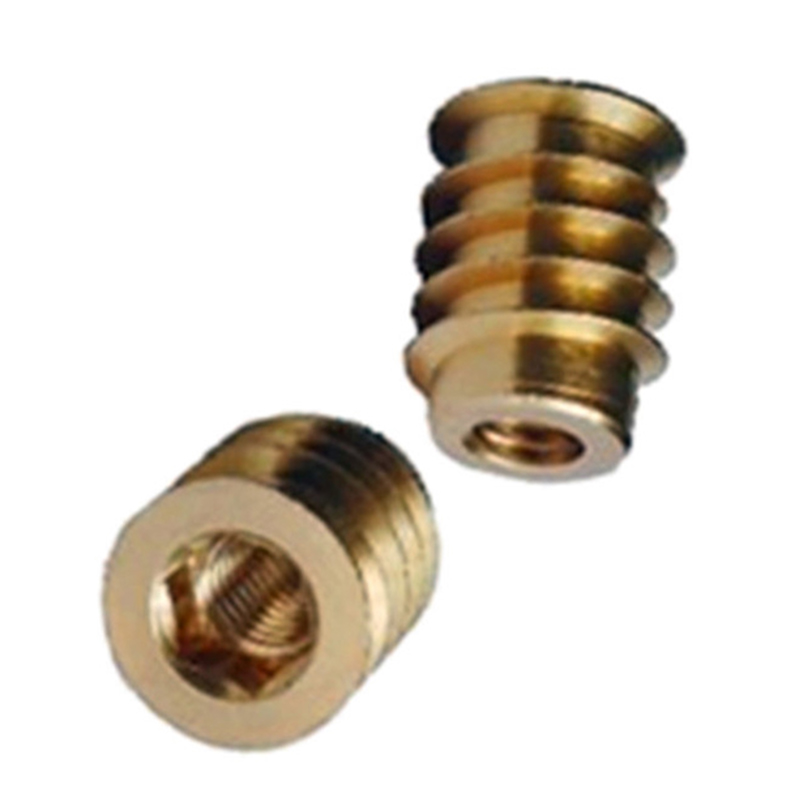
.jpg "M2x3 สีดำสังกะสีแบนหัวเวเฟอร์ Cross แล็ปท็อปโน้ตบุ๊คสกรู")
.png "สกรูหัวกลมทองเหลือง H65 m2 สำหรับสมุดบัญชี")
สกรูกันขโมยจะดูเหมือนสกรูธรรมดาทันทีที่มีคนพยายามจะถอดออก ความแตกต่างอยู่ที่ช่องไดรฟ์: แทนที่จ......
อ่านเพิ่มเติมSuzhou Anzhikou Hardware Technology Co., Ltd. เป็นผู้ผลิตที่รวมการพัฒนา การผลิต และการจำหน่ายสกรูความแม่นยำสูง ผู้ผลิตสกรูความแม่นยำสูง และ ผู้จำหน่ายสกรูความแม่นยำสูงที่ไม่ได้มาตรฐาน ในประเทศจีนโรงงานของบริษัทมีพื้นที่ 2,000 ตารางเมตร และได้นำเข้าอุปกรณ์ความแม่นยำมากกว่า 200 ชุดจากไต้หวันและญี่ปุ่น รวมถึงชุดอุปกรณ์ผลิตรัดยึดครบชุด เช่น การตีขึ้นรูปเย็น การรีดเกลียว CNC และระบบกันคลาย เป็นต้น สามารถผลิตสกรูขนาดเล็กที่มีเส้นผ่านศูนย์กลางภายนอก 0.6 มม./ความยาว 0.6 มม. และกำลังการผลิตต่อปีของชิ้นส่วนมาตรฐานและสกรูที่ไม่ได้มาตรฐานสูงถึง 2,000 ตารางเมตร
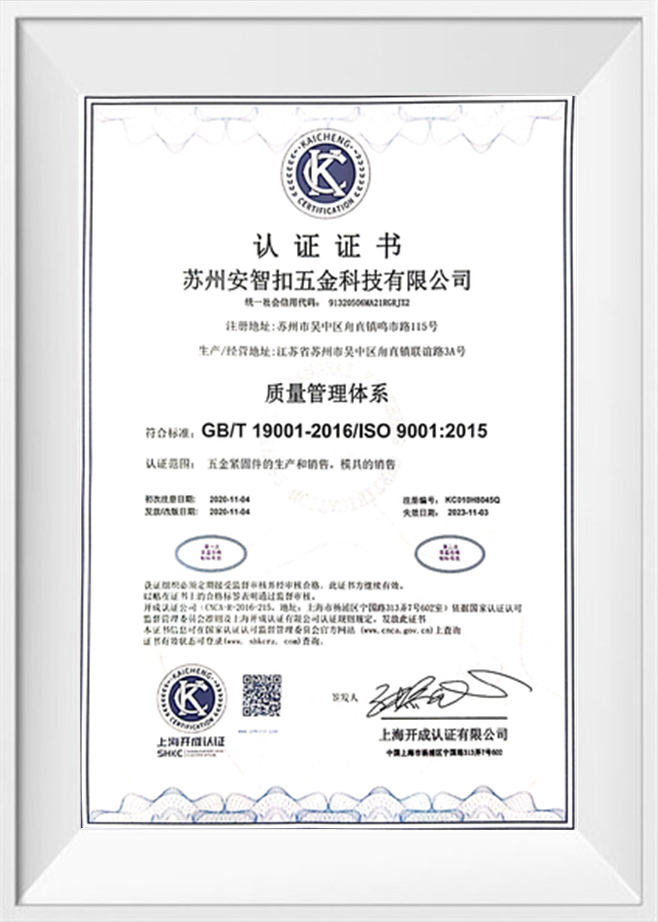
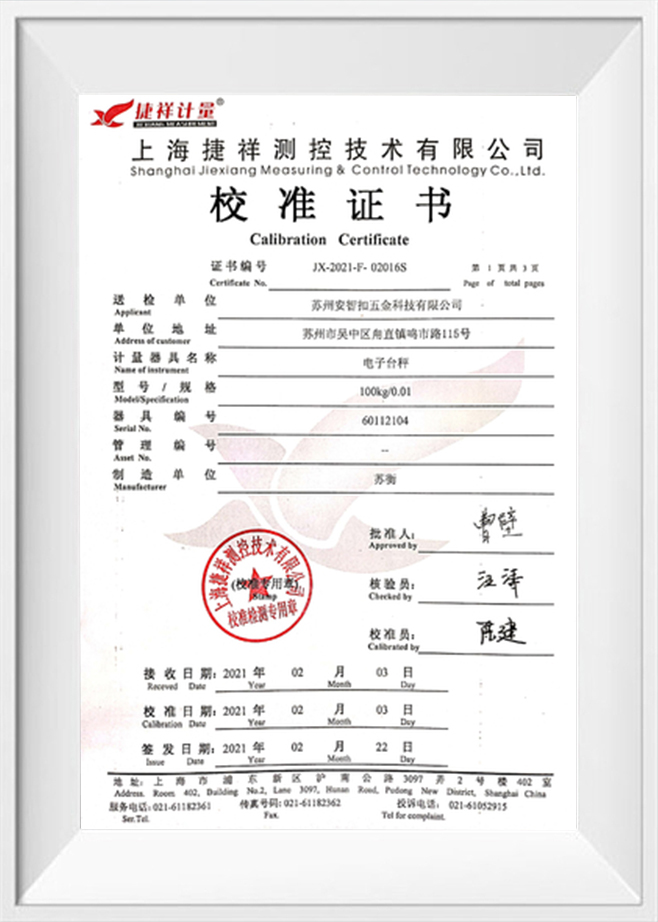
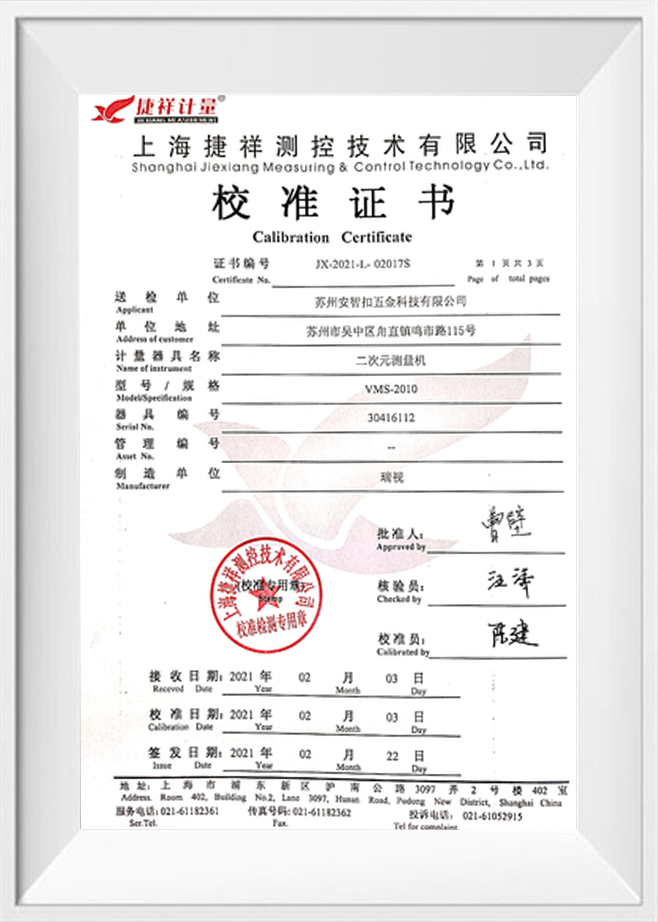
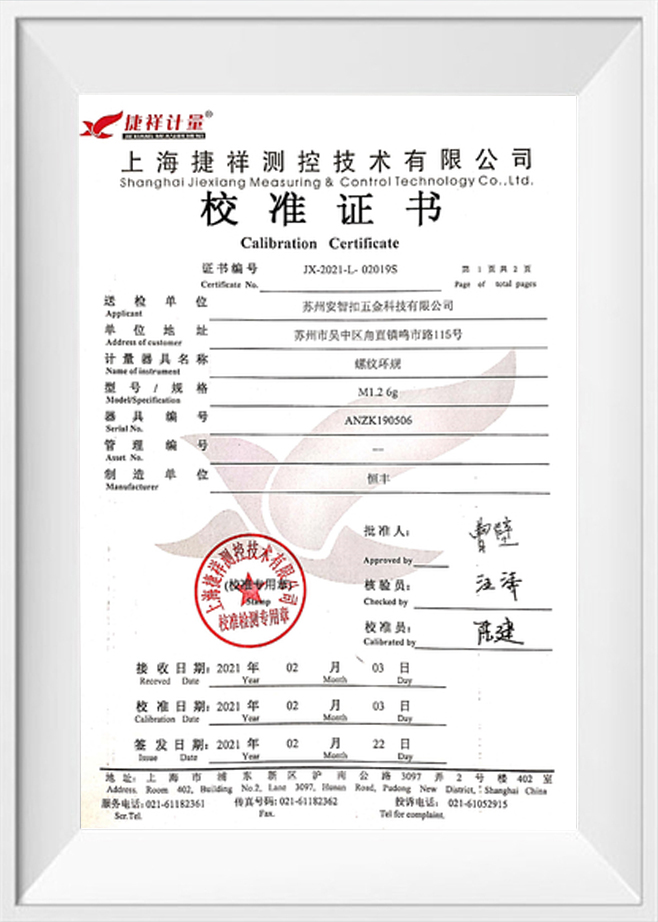
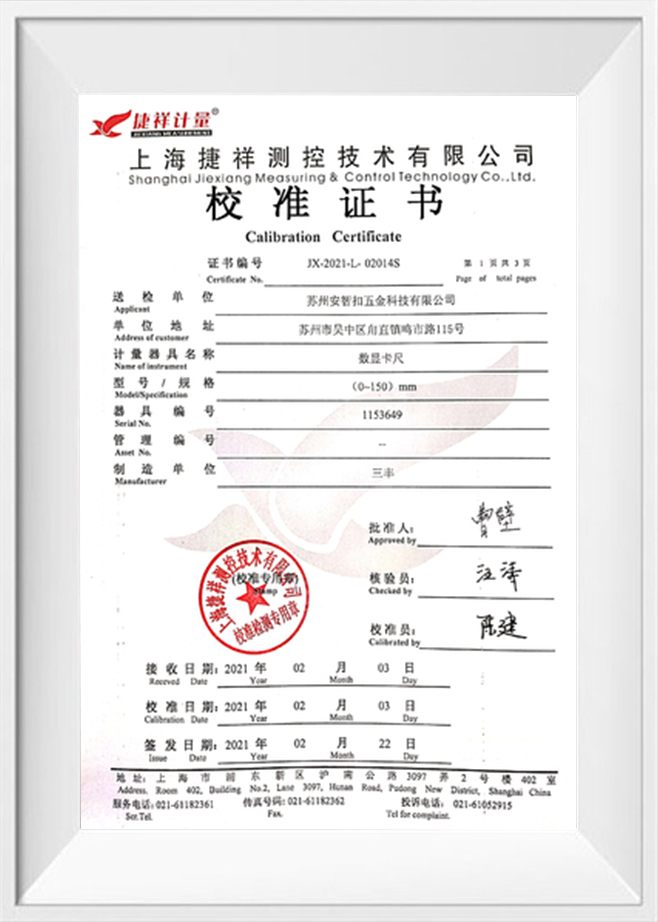
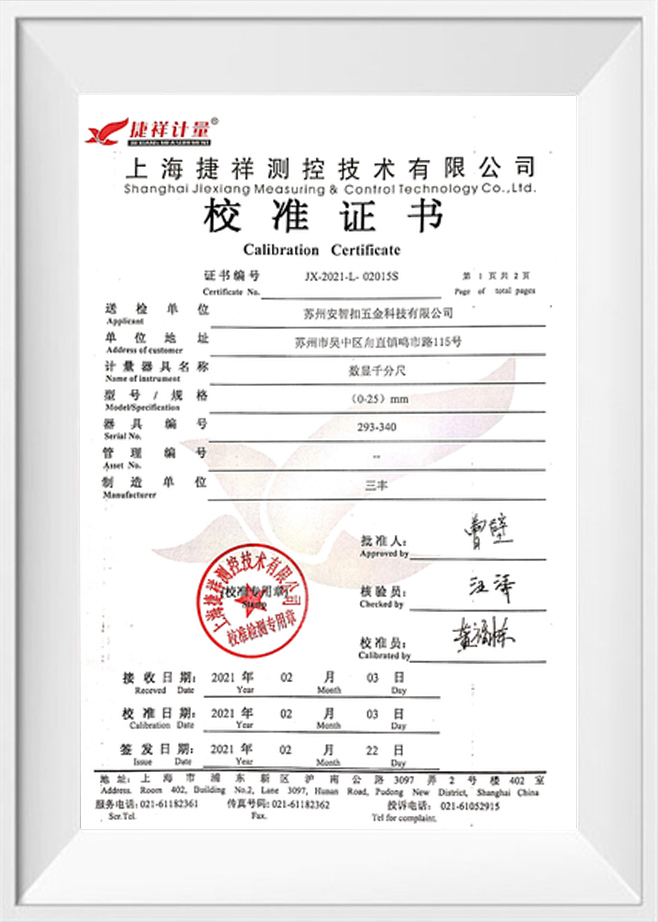
บริษัท Anzhikou Hardware มีอุปกรณ์ทดสอบครบครันและผ่านการรับรองระบบคุณภาพ ISO9001:2015 มีประสบการณ์ด้านการผลิตและพัฒนาอุตสาหกรรม 20 ปี ทีมวิศวกรและช่างเทคนิคที่มีประสบการณ์ 20 ปีจำนวน 10 คน พร้อมปรับแต่งสกรูที่ไม่ได้มาตรฐานตามความต้องการของลูกค้า สกรูความแม่นยำสูงตามสั่งเพื่อตอบสนองความต้องการด้านคุณภาพและปริมาณที่แตกต่างกันของลูกค้า สกรูความแม่นยำสูง Suzhou Anzhikou มีคุณภาพผลิตภัณฑ์ยอดเยี่ยม ส่งออกไปยัง 40 ประเทศและภูมิภาคทั่วโลก

สกรูกันขโมยจะดูเหมือนสกรูธรรมดาทันทีที่มีคนพยายามจะถอดออก ความแตกต่างอยู่ที่ช่องไดรฟ์: แทนที่จ......
อ่านเพิ่มเติมคุณกำลังเปลี่ยนแขนควบคุมระบบกันสะเทือน สร้างโครงรถพ่วง หรือขันหน้าแปลนในสายการผลิตให้แน่น และโ......
อ่านเพิ่มเติมในร้านขายเครื่องจักรที่มีผู้คนพลุกพล่าน สิ่งสุดท้ายที่คุณอยากค้นพบระหว่างการประกอบขั้นสุดท้ายค......
อ่านเพิ่มเติมป้ายทะเบียนหายไปจากรถตู้ส่งของข้ามคืน ฉากกั้นห้องน้ำหลุดออกเพราะมีคนเอาเหรียญออกทุกอัน ที่พักพ......
อ่านเพิ่มเติมช่างเทคนิคบริการที่ติดสลักทดแทนเข้ากับตู้กระจายสินค้าฝั่งถนนช่วยแก้ปัญหาสองประการพร้อมกัน ได้แ......
อ่านเพิ่มเติมป้ายทะเบียนเป็นหนึ่งในส่วนที่ง่ายที่สุดของรถที่จะขโมยได้: สกรูหัวแฉกมาตรฐานสี่ตัว ไขควงทั่วไปห......
อ่านเพิ่มเติมIndustry knowledge
How to Define Tolerance Requirements for Non-standard Precision Screws
For Non-standard Precision Screws, tolerance definition should not stop at thread diameter alone. Buyers usually need to confirm the relationship between head height, thread length, shank diameter, drive depth, tip shape, and assembly clearance. A small deviation in one dimension may affect torque transfer, locking performance, or final product appearance.
A practical approach is to divide dimensions into functional and non-functional areas. Functional dimensions directly affect assembly, load, sealing, electrical contact, or positioning. Non-functional dimensions mainly affect appearance or handling. Functional dimensions should receive tighter control, while non-functional dimensions can often use more economical tolerances.
In our customization work, we often recommend confirming the assembly sample or mating part together with the screw drawing. This helps us judge whether a tolerance is truly necessary or whether it can be optimized for cost and production stability.
Material selection for Precision Screws should be based on actual service conditions rather than only price or appearance. Miniature screws, thin-head screws, and long slender screws may behave very differently even when made from the same material. Buyers should consider tensile strength, hardness, corrosion resistance, magnetic properties, and post-treatment compatibility.
| Material Type | Typical Advantage | Buyer Attention Point |
|---|---|---|
| Carbon Steel | Good strength and economical production | Usually needs plating or anti-rust treatment |
| Stainless Steel | Better corrosion resistance | Strength grade and anti-galling performance should be checked |
| Copper or Brass | Good conductivity and decorative appearance | Lower strength than steel materials |
| Alloy Steel | Suitable for higher strength requirements | Heat treatment control is important |
For very small screws, material stability is especially important because the screw may have limited thread engagement and a small drive area. The smaller the screw, the more important material consistency and process control become. With our experience in miniature screw production, including screws with an external diameter as small as 0.6 mm, we pay close attention to material behavior during forming, threading, and inspection.
Anti-loosening performance depends on vibration level, tightening torque, thread engagement length, material pairing, and whether the assembly will be serviced repeatedly. Thread adhesive is only one option. In some assemblies, mechanical structure, nylon patch, special thread shape, or precise torque control may be more suitable.
When buyers provide vibration conditions, tightening method, mating material, and service temperature, the anti-loosening solution can be selected more accurately. Our factory is equipped with anti-loosing processing capability, so we can help match the screw structure and locking method instead of treating them as separate decisions.
For customized screw orders, inspection should be planned before mass production. A good inspection plan defines what must be measured, how it is measured, and how often it is checked. This is especially important for non-standard screws because the drawing may include features that ordinary standard screw gauges cannot fully verify.
Inspection standards should be linked to the real assembly risk, not only to the drawing format. For example, a slight visual mark may be acceptable on a hidden internal screw, but unacceptable on a visible decorative screw. With ISO9001:2015 quality system certification and a complete range of testing equipment, we support buyers in setting practical inspection points for stable batch delivery.

รายละเอียดการติดต่อ

ที่อยู่:ไม่ 248-2 ถนน Changhongbei เมือง Luzhi เขต Wu zhong เมืองซูโจวมณฑลเจียงซูประเทศจีน
โทรศัพท์:+86-13913588597
ผลิตภัณฑ์
มือถือ



